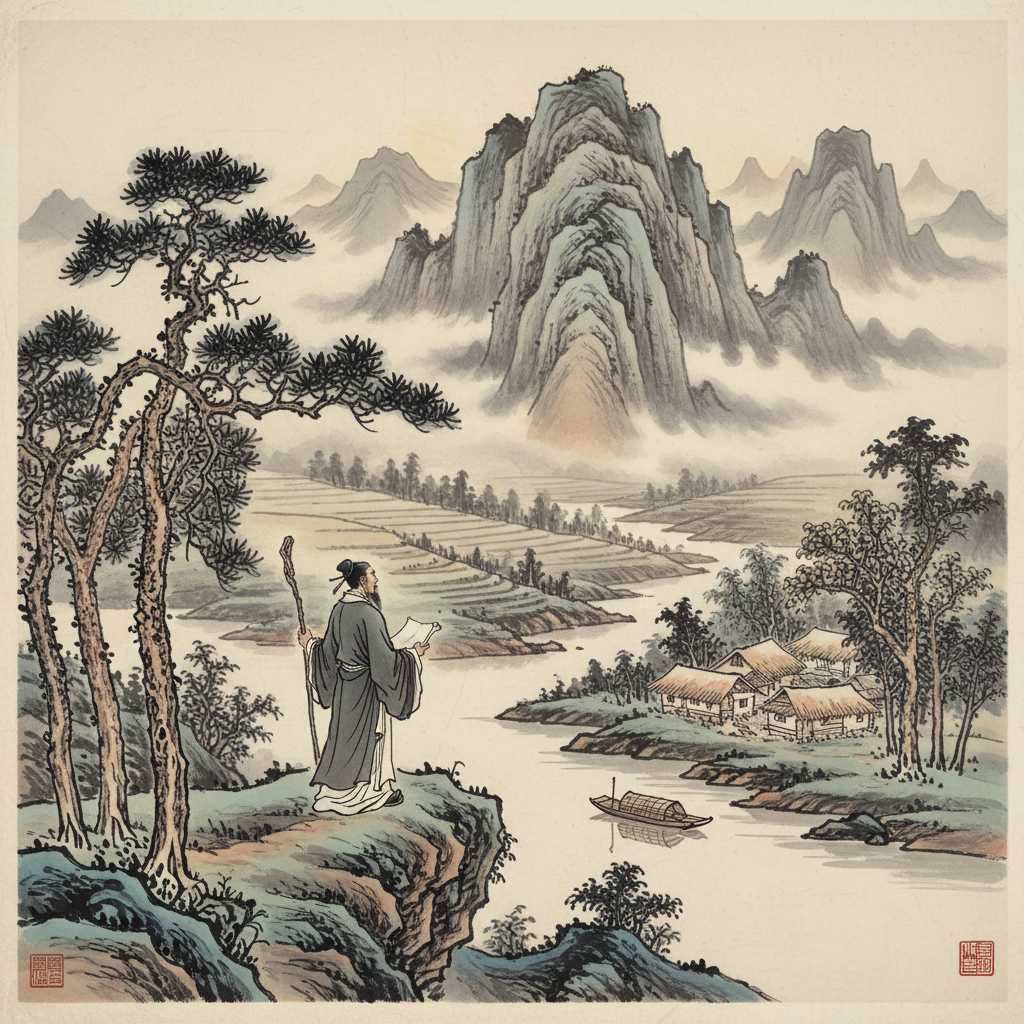
The Historical Landscape of Chinese Classical Poetry
Chinese classical poetry, particularly from the Tang (618-907), Song (960-1279), and Yuan (1271-1368) dynasties, represents a high point in the literary tradition of China. Each of these periods contributed significantly to the evolution of poetic forms and styles, while also reflecting the socio-political dynamics and cultural zeitgeist of their times. The Tang dynasty is acclaimed for its innovation and bold expressions, while the Song period is marked by its refinement and intimate emotional resonance. The Yuan dynasty, although known primarily for its dramatic literature, still produced notable poets whose works reflect the complexities of life during social turmoil.
The Poets Who Shaped a Literary Era
The Tang dynasty gave rise to legendary poets such as Li Bai and Du Fu. Li Bai’s work is characterized by its vivid imagery and passionate romanticism, while Du Fu’s poetry often reflects a more somber and realistic portrayal of life, infused with Confucian ideals. The Song dynasty introduced figures like Su Shi, who was not only a poet but also a statesman and calligrapher, blending his literary prowess with political acumen. His poetry often emphasizes the beauty of the mundane and the deeper truths found in everyday life. In the Yuan dynasty, the poet Xin Qiji combined his military experience with lyrical depth, engaging with themes of nationalism and personal reflection.
Themes of Nature and Humanity
Nature serves as a primary muse in Chinese classical poetry, woven intricately into the fabric of human emotions and experiences. For example, the poets of the Tang and Song dynasties crafted verses that celebrate the beauty of the natural world, while simultaneously exploring themes of love, loss, and longing. The imagery of seasons, particularly spring and autumn, provided a metaphor for the cyclical nature of life—expressing the joy of new beginnings and the melancholy of farewells. This delicate interplay between nature and humanity reflects the deep philosophical underpinnings of Chinese thought, where the natural world exists in harmony with human experience.
Cultural Significance and Legacy
The legacy of Tang, Song, and Yuan poetry permeates modern Chinese culture, continuing to inspire contemporary literature, art, and even popular media. The intricate language and emotional depth of these texts have been preserved in modern anthologies, ensuring that the insights of these poets endure. The recitation and appreciation of their works remain a celebrated tradition in China, illustrating the timeless value of their philosophical perspectives. Moreover, these poets contributed to the formation of a national identity, celebrating both the beauty and struggles of the Chinese experience through their nuanced artistry.
Literary Techniques and Innovations
Chinese classical poetry is renowned for its mastery of form and language. Poets often employed techniques such as parallelism, allusion, and symbolism to convey profound meanings concisely. The regulated verse forms that emerged during the Tang dynasty, especially the regulated verse known as "lüshi," set standards in rhythmic and tonal modulation, allowing poets to express complex ideas with elegance and subtlety. Poets like Li Bai and Du Fu were trailblazers in mastering these forms, creating works that are not only rich in meaning but also in musicality. This emphasis on form continues to be a point of study and admiration in literary circles around the world.
Conclusion: The Timeless Appeal of Chinese Classical Poetry
The poetry of the Tang, Song, and Yuan dynasties is not merely a reflection of its time but a living tradition that offers endless insights into human nature and the world. The emotional depth, linguistic beauty, and cultural significance of these works create a bridge across centuries, inviting readers to ponder age-old questions about existence, identity, and the natural world. As we continue to explore and analyze these texts, we can appreciate their role in shaping not only Chinese literature but also our understanding of the human condition. Through poetry, we access a rich tapestry of history, allowing us to reflect on both the past and our present circumstances—reminding us of the universal experiences that bind us all.