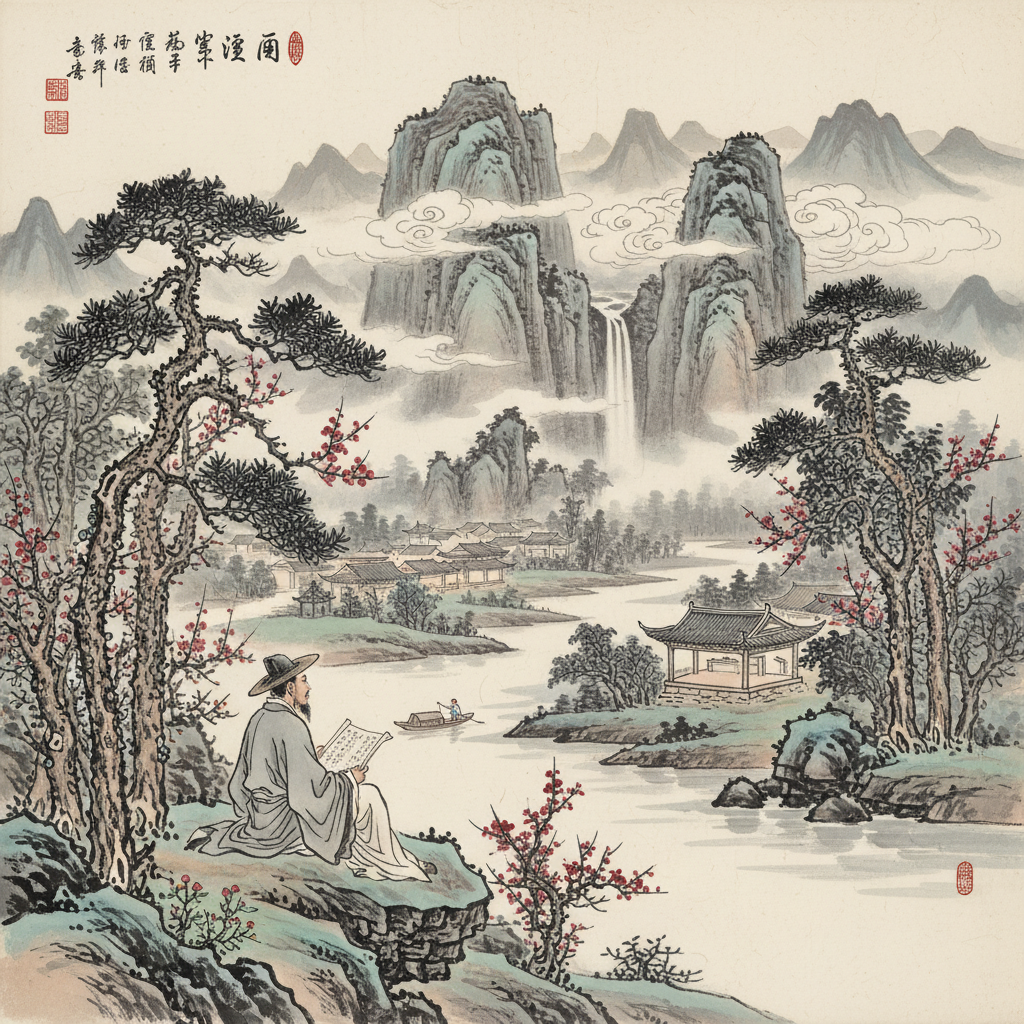
The Rich Tapestry of Song Dynasty Poetry
The Song Dynasty (960-1279) stands as a pinnacle in Chinese history for cultural and artistic development, particularly in the realm of poetry. The era saw the rise of notable poets such as Su Shi, Li Qingzhao, and Lu You, who ushered in a new form of literary expression that celebrated personal emotion and nature. To appreciate the depth and elegance of Song poets, one must delve into their historical context, thematic significance, and enduring impact.
Historical Context of the Song Dynasty
Following the tumultuous Five Dynasties and Ten Kingdoms period, the Song Dynasty emerged, marked by political stability, economic prosperity, and significant advancements in culture and technology. During this time, the civil service examination system flourished, allowing intellectuals and scholars to gain prestige and influence through their literary prowess. As a result, poetry transformed into a popular art form, accessible not only to the elite but also to the burgeoning merchant class.
Poets like Su Shi (also known as Su Dongpo) became cultural icons, renowned not just for their artistic abilities but also as influential thinkers. They engaged with Confucian ideals while also embracing Daoism and Buddhism, thus enriching their poetry with diverse philosophical insights. This interplay of ideas contributed significantly to the thematic depth found in their works.
Themes and Styles in Song Poetry
Song poetry is characterized by its lyrical quality, emotional depth, and innovative use of form. The poets often employed a style referred to as ci, a form that originated during the Tang Dynasty but attained its zenith in the Song era. Ci poetry is marked by a fixed structure and melody, allowing for a musical yet poignant expression of personal sentiment.
The themes explored by Song poets are varied, ranging from the beauty of nature and the passage of time to love, longing, and existential contemplation. For instance, Li Qingzhao, one of the most famous female poets of the time, often addressed themes of love and loss, reflecting her personal experiences during political turmoil and strife. Her poignant lines encapsulate feelings of nostalgia and yearning, making her work resonate with readers even today.
Notable Figures of Song Poetry
-
Su Shi (Su Dongpo)
As one of the most celebrated poets of the Song era, Su Shi’s work often reflects his philosophical musings and personal experiences. His poems frequently celebrate nature, the joys of life, and his struggles with political exile. His ability to blend humor and melancholy demonstrates a masterful command of language and form. -
Li Qingzhao
Known for her delicate ci poetry, Li Qingzhao's work often explores the complexities of love and loss, making her a pioneering figure in depicting women's perspectives in literature. Her legacy is significant not only for her emotional depth but also for her innovative approach to structure, paving the way for future female poets. -
Lu You
A prolific poet and historian, Lu You’s work encompasses themes of patriotism and nostalgia. His poetry often reflects his longing for a unified China and the beauty of his homeland. His personal and political experiences imbue his verses with a passionate voice that speaks to readers across time.
The Cultural Significance of Song Poetry
The poetry of the Song Dynasty is not merely an artistic endeavor; it serves as a cultural artifact reflecting the values and daily life of the era. Through their verses, poets expressed their thoughts on society, love, and nature, allowing modern readers to glimpse the emotional and intellectual climate of ancient China.
Moreover, Song poetry has had a lasting influence on Chinese literary traditions. The techniques and themes established during this period continued to resonate in subsequent dynasties and among later poets. The emphasis on personal emotion and the fusion of classical themes with everyday experiences have informed contemporary poetry in both China and beyond.
The Lasting Legacy of Song Poets
The contributions of Song poets remain vital in the study of Chinese literature and culture. Their work has inspired countless generations and continues to be celebrated in contemporary scholarship and popular culture. As readers engage with the lyrical richness of their poetry, they not only appreciate the beauty of language but also connect with the universal human experiences that transcend time and geography.
Through their eloquent expressions and profound insights, Song poets have solidified their place as titans of classical Chinese poetry, leaving a legacy that continues to inspire and influence storytellers and poets globally. Whether explored in academic settings or embraced in everyday moments of admiration for art, the poetry of the Song Dynasty remains a vital part of the tapestry of human expression.