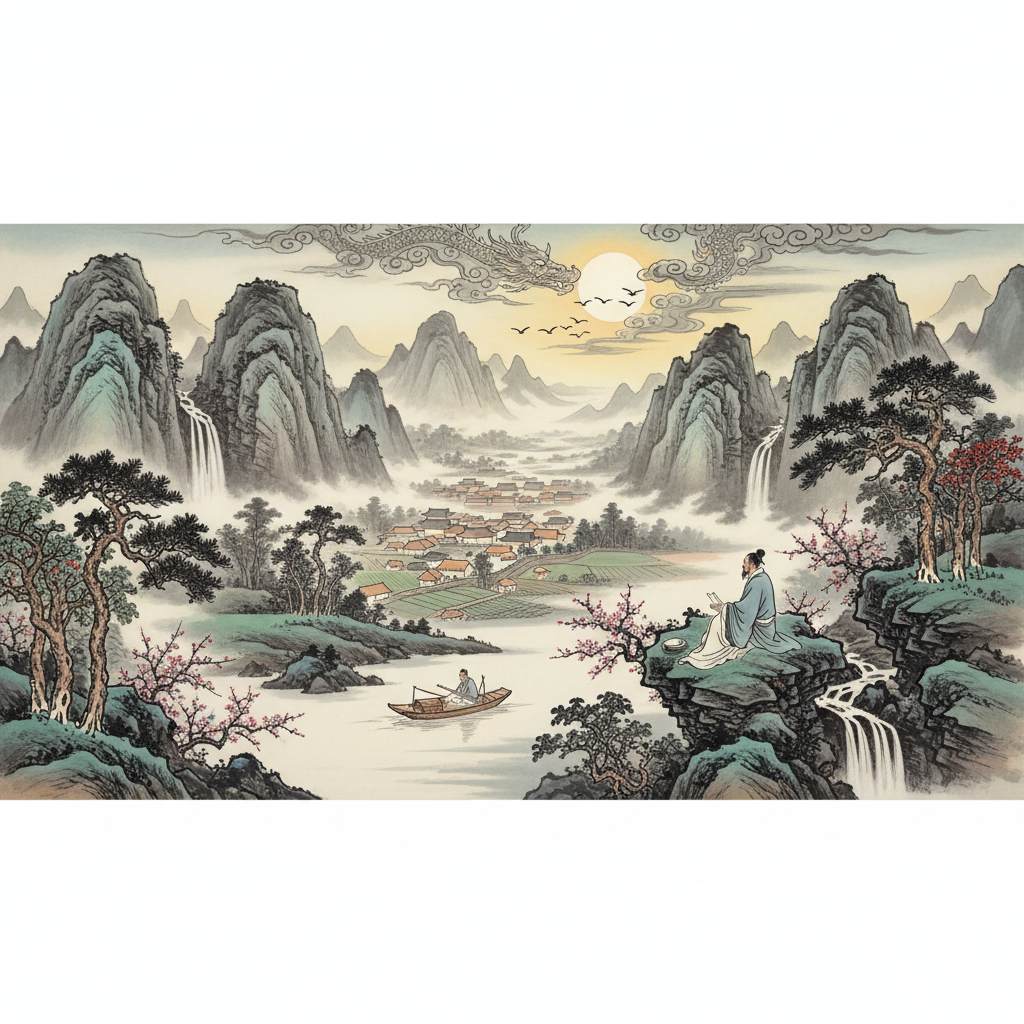
Introduction to Chinese Classical Poetry
Chinese classical poetry, particularly from the Tang (618–907 AD), Song (960–1279 AD), and Yuan (1271–1368 AD) dynasties, represents a golden age in poetic expression and literary achievement. These periods produced some of the most celebrated poets in Chinese history, whose works are characterized by their exquisite craftsmanship, emotional depth, and cultural significance. Understanding the nuances of this poetry not only enriches our appreciation but also provides insight into the social and historical contexts of ancient China.
Historical Context of Poetry in the Tang, Song, and Yuan Dynasties
The Tang dynasty is often regarded as the peak of Chinese civilization, marked by political stability, cultural flourishing, and an openness to foreign influences. This era witnessed the emergence of poets like Li Bai and Du Fu, whose works defined the characteristics of Tang poetry, emphasizing imagery and emotional resonance.
Following the Tang, the Song dynasty saw a shift in focus toward individual expression and philosophical contemplation. Poets such as Su Shi (Su Dongpo) and Li Qingzhao adapted the poetic form to reflect personal experiences and societal observations. The Yuan dynasty, dominated by the Mongol Empire, introduced a new style known as "zaju," which blended poetry with drama. This period included poets like Guan Hanqing and Xu Yunqing, who innovated narrative poetry, thereby expanding the thematic and stylistic boundaries of Chinese literature.
Emblematic Poets of the Tang Dynasty
Tang poets are renowned for their innovative use of tone and structure. Li Bai, often called the "Immortal Poet," is celebrated for his romantic and often fantastical imagery, transporting readers into his realm of dreams and nature. His poem "Quiet Night Thoughts" captures the universal feelings of longing and nostalgia, while his bold expressions of individuality set a precedent for future poets.
On the other hand, Du Fu's work is characterized by a more realistic approach, addressing societal issues and human suffering. His piece "Spring View," written during a time of turmoil, poignantly reflects the grief of a nation and the plight of its people. The contrast between Li Bai’s idealism and Du Fu's realism defines the Tang poetic landscape and underscores the diverse emotional and thematic spectrum present during this period.
The Song Dynasty: A Flourish of New Forms and Themes
As poetry evolved in the Song dynasty, the introduction of "ci" (lyric poems) showcased a shift toward personal expression and lyricism. Poets such as Su Shi and Li Qingzhao exemplify this evolution. Su Shi's ability to intertwine philosophical musings with vivid imagery in poems like "Chibi Pinging" captures the balance of emotion and intellect that defines much of Song poetry. His works often reflect on the transience of life, nature, and the joys and sorrows of existence.
Li Qingzhao, heralded as one of China's greatest female poets, brought a unique voice to the "ci" genre. Her poems express deep emotions, often centered on love and loss. Through her poignant verses, Li portrays the complexities of female experience in a patriarchal society, offering a glimpse into her inner world that resonates even today. The crafting of "ci" during this time not only showcased the poetic skill but also marked a significant cultural shift towards individualism.
The Yuan Dynasty: A New Narrative Style
The Yuan dynasty was pivotal in the development of narrative poetry, blending poetry with performance in the form of dramatic plays. This era's poets infused their works with socio-political commentary, often using satire to reflect on the complexities of life under Mongol rule. Guan Hanqing, a prominent playwright and poet, is known for his poignant critiques of societal norms and injustices, as seen in works like "The Injustice to Dou E."
Xu Yunqing represented another facet of Yuan poetry, utilizing vernacular language to engage broader audiences. His work often highlights the struggles of common people, marking a significant departure from the elitist themes that prevailed in earlier dynasties. Both poets embody the spirit of innovation that characterized the Yuan dynasty, emphasizing storytelling in their poetry, thus preserving the oral traditions of China.
Cultural Significance and Legacy of Classical Poetry
The poetry of the Tang, Song, and Yuan dynasties holds immense cultural significance, influencing not only literary practices in China but also affecting broader East Asian literature. The formal structures, themes of love, nature, and societal issues established during these periods continue to permeate contemporary Chinese literature and provide a lens through which modern readers can explore ancient histories and philosophies.
These poets’ works have transcended time, remaining embedded in Chinese culture through educational curricula, adaptations in other artistic forms, and continued scholarly analyses. Their unique voices contribute to a shared human experience, resonating across generations and geographical divides.
In conclusion, the classical poetry of the Tang, Song, and Yuan dynasties invites readers to engage with profound themes, diverse emotions, and rich cultural heritage, offering a timeless exploration of the human condition that is both academically rewarding and deeply accessible.