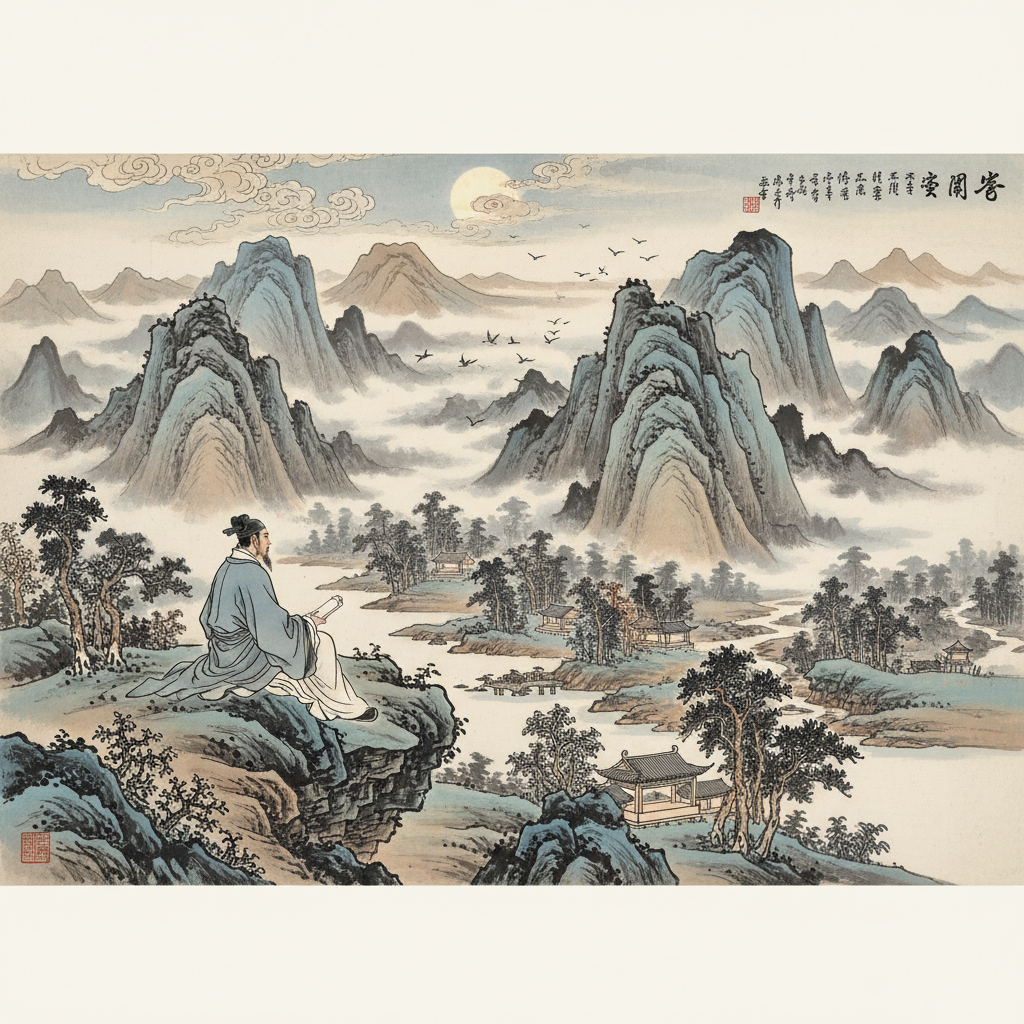
A Historical Overview of Chinese Classical Poetry
Chinese classical poetry boasts a rich heritage that dates back over two millennia, with significant flourishing during the Tang (618-907), Song (960-1279), and Yuan (1271-1368) dynasties. These epochs collectively symbolize a golden age of poetic expression, wherein the art form served as a medium for personal sentiment, philosophical reflection, and societal commentary. Poets of these periods, such as Li Bai, Du Fu, Su Shi, and Liu Zongyuan, wielded their pens to masterfully capture the essence of their experiences within the cultural milieu of their times.
In understanding these poets and their works, one must appreciate the historical landscape in which they wrote. The Tang dynasty, often regarded as the apex of Chinese poetry, embraced both the structure of regulated verse (律詩) and the spontaneity of free verse. Transitioning into the Song dynasty, poets began to incorporate deeper introspective themes and lyrical expressions, which further evolved into the dramatic forms of the Yuan dynasty, encapsulating the complexities of human emotion and social commentary.
Key Features of Chinese Classical Poetry Techniques
Chinese classical poetry is notable for its intricate techniques and stylistic elements that elevate its aesthetic appeal. Some of the core techniques include:
-
Imagery and Symbolism: Both Tang and Song poets used rich imagery to evoke emotions and create vivid scenes. For example, the moon and nature are potent symbols that yield layers of meaning in the context of personal longing and nostalgia.
-
Parallelism (對仗): Commonly found in regulated verse, parallelism is a technique that involves balancing ideas and structure in pairs within couplets. This device not only adds an aesthetic quality to poetry but also enhances clarity and impact.
-
Allusion: Classical Chinese poetry often employs allusions to historical texts, myths, or famous figures, enriching the layers of interpretation. For instance, Li Bai frequently referenced Taoist philosophy, which deepens the metaphysical weight of his verses.
Themes and Cultural Significance
Examining the themes prevalent in Tang, Song, and Yuan poetry reveals much about the cultural and philosophical landscape of their times. Notably, poets often grappled with the intersection of nature, human emotion, and social responsibility. This intertwining is emblematic of the Confucian ethos that emphasized morality and governance, alongside Daoist ideals of harmony with nature.
The theme of nostalgia is particularly poignant, as seen in poets like Wang Wei, whose longing for simpler, pastoral ideals reflects both an individual sentiment and a broader cultural yearning for stability amidst turmoil. The socially conscious critiques found in Du Fu’s works point toward the harsh realities of life during the Tang dynasty, expressing empathy for common people while reflecting the moral obligations of literati.
The Evolution of Poetic Form: From Regulated Verse to Ci
While the Tang dynasty laid down the foundations of regulated verse, the Song dynasty heralded the emergence of the ci (詞) form, a lyrical genre that afforded poets greater expressiveness and flexibility. Ci poetry often featured melodic rhythms suitable for lyrical recitation, allowing poets to explore subtler themes of love, longing, and social commentary.
During the Yuan dynasty, the zaju (杂剧) form, a type of drama that incorporated poetic elements, flourished, showcasing the increasing interest in theatrical arts. This convergence of poetry and performance expanded the reach and appeal of poetic works, facilitating a stronger connection with audiences.
Iconic Poets and Their Enduring Influence
Prominent figures such as Li Bai, Du Fu, Su Shi, and Ma Zhiyuan continue to resonate deeply in both literary tradition and contemporary culture. Li Bai’s romanticized depictions of nature and the wine-fueled revelry in his poetry have inspired countless generations of writers and artists.
Conversely, Du Fu's reflections on societal issues and moral responsibility position him as a conscience of Chinese literature. His work often transcends the personal, speaking to broader societal themes that remain relevant today. Su Shi, with his profound philosophical insights and mastery of various poetic forms, showcases the versatility and depth of expression achievable within classical poetry, embodying the era's intellectual spirit.
Conclusion: The Lasting Legacy of Chinese Classical Poetry
The techniques and philosophical underpinnings of classical Chinese poetry from the Tang, Song, and Yuan dynasties contribute to a rich literary tradition that continues to influence contemporary poetry and cultural identity. Through their innovative use of structure, imagery, and thematic depth, these poets encapsulated the complex emotions of their society, leaving behind a legacy that endures in various forms of artistic expression today. As we delve into these timeless works, we embark on a journey through an expansive tapestry of human experience, marked by the enduring resonance of words.