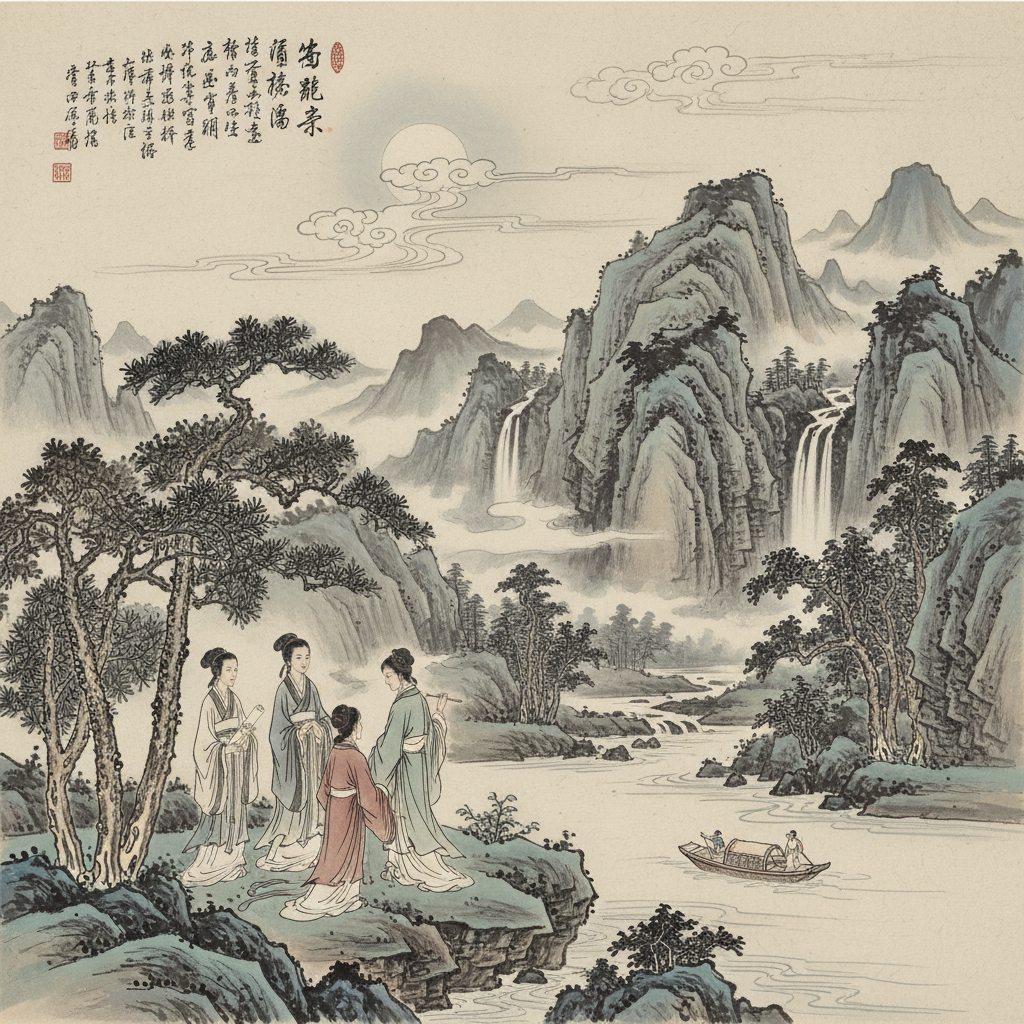
The Historical Context of Women Poets in China
Chinese classical poetry flourished during the Tang, Song, and Yuan dynasties, a time marked by significant cultural, political, and social developments. Historically, the Tang Dynasty (618-907) is often considered the golden age of Chinese poetry, with its open society and flourishing arts providing fertile ground for creativity. Despite the limitations placed on women in ancient China, several exceptional female poets emerged during this era. The Song Dynasty (960-1279) brought further advancements in literature, accompanied by a rise in the status of women, albeit with constraints. Meanwhile, the Yuan Dynasty (1271-1368), influenced by Mongol rule, presented a complex interplay between tradition and innovation.
The backdrop of these dynasties allowed women poets to share their voices, crafting verses that encapsulated their experiences, emotions, and insights within a patriarchal society. Their work was significant not only in literary terms but also as a reflection of women's roles in the changing sociocultural landscape of China.
Prominent Women Poets of the Tang Dynasty
One of the earliest and most celebrated female poets of the Tang Dynasty was Li Qingzhao (1084-1155), though she is often associated with the Song Dynasty. During the Tang period, women like Xue Tao, known for her unique voice and ability to convey deep emotions, carved a niche in a male-centric literary domain. Xue Tao's poems often focused on themes of love, nature, and the complexities of women's lives. Her work is characterized by vivid imagery and a lyrical quality that transcends time, offering insights into the emotions of a woman in a transitional era.
Another noteworthy poet from this period is Cui Yingying, whose poetry often highlighted the longing and heartache that came with love. The intonation in her verses not only serves as an emotional outlet but also reflects her struggle against societal expectations. These poets resisted the limitations imposed upon them, creating a path for future generations of female writers in a traditionally male-dominated arena.
The Song Dynasty: A Flourishing Ground for Female Voices
The Song Dynasty ushered in new possibilities for women, notably in the realms of education and cultural expression. With a growing appreciation for the arts, several women found themselves inspired to write poetry that addressed both personal and social themes. Among them, Li Qingzhao stands out as an icon of female literature. Celebrated for her "ci" (lyric verse), her work captures the elegiac beauty infused with a profound sense of loss and nostalgia.
Li Qingzhao's poetry often reflects her intimate struggles and her experiences as a woman during times of upheaval. Her writing style emphasizes emotional honesty and authenticity, showcasing an introspective look at love and identity. This was particularly revolutionary in a time when women's voices were often silenced or overshadowed.
Moreover, named as a "poetess of melancholy," she articulated feelings of longing, loss, and resilience. In her famous work, "The Dreams of the Past," she laments not just lost loves but also the broader cultural upheaval experienced during the Song period. This lyrical exploration of personal turmoil against a historical backdrop has cemented her status as one of China's greatest literary figures.
Yuan Dynasty: A Shift in Poetic Expression
During the Yuan Dynasty, societal changes led to a blending of traditional and innovative forms of expression. The theatrical arts, particularly zaju (one-act plays), gained popularity, and with it came new opportunities for women to engage in and influence the literary landscape. Female poets such as Dai Biao, known for a unique blend of narrative style and poetic simplicity, began to emerge as important voices.
While the Yuan period is often dominated by male writers known for their plays and operas, these women contributed discreetly yet significantly to the literary fabric of the time. Their poetry often maintained the personal, emotional depth that characterized earlier works but began to reflect the complex social dynamics of the day, exploring themes like social constraints, familial obligations, and the nuances of love in a changing world.
Cultural Significance and Legacy of Women Poets
The legacy of women poets from the Tang, Song, and Yuan dynasties is profound. They not only paved the way for future generations of female writers but also enriched the tapestry of Chinese literature with diverse perspectives. These poets challenged social norms and ventured into realms of emotional expression that were previously considered the domain of men.
Today, their works are increasingly celebrated, illustrating their influence on both contemporary literature and feminist discourses. Their courage to articulate their experiences amid societal scrutiny continues to resonate with readers and writers around the world. By reclaiming their stories in current literary scholarship, we not only honor these poets' contributions but also better understand the complexities of female identity and creativity throughout Chinese history.
Conclusion: A Continued Unfolding of Voices
The exploration of women poets from the Tang, Song, and Yuan dynasties unveils a rich narrative of resistance, creativity, and cultural significance. Their emotional depth and refusal to conform have laid a foundation for women's voices in literature across generations. As we delve into their poetry, we gain not only insight into their individual experiences but also a window into the broader sociopolitical landscape of historical China, affirming that their voices are as relevant today as they were centuries ago.