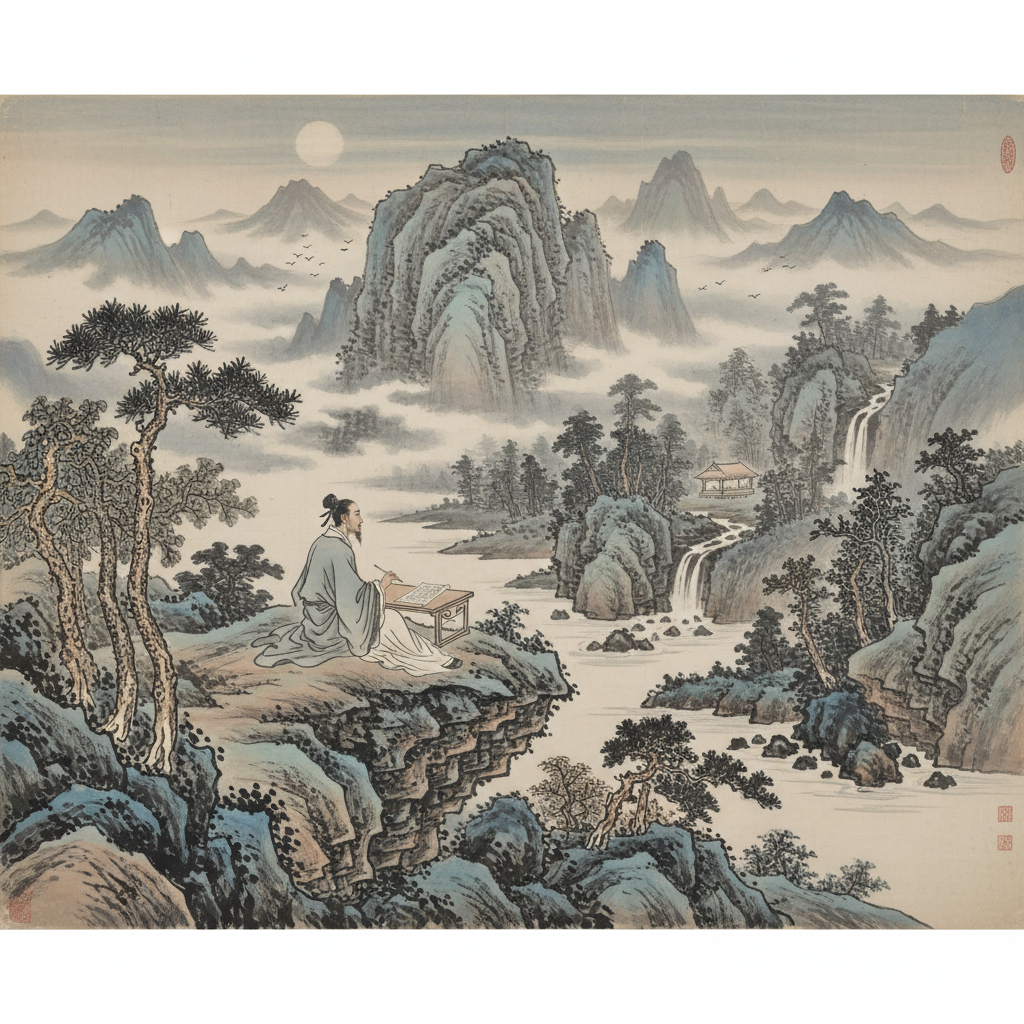
Introduction: The Enchantment of Chinese Classical Poetry
Chinese classical poetry, particularly during the Tang (618–907), Song (960–1279), and Yuan (1271–1368) dynasties, offers a profound exploration of spirituality, beauty, and human emotion. Dominated by the themes of nature, love, and the philosophical reflections on life, scholars often overlook how deeply intertwined these works are with Buddhist thought. This article delves into the literary landscape of these periods, emphasizing the influence of Buddhism in shaping the poetic tradition.
The Historical Context: Buddhism's Influence on Chinese Poetry
Buddhism entered China from India via the Silk Road, flourishing in the 1st century and significantly influencing cultural and literary practices across dynasties. By the Tang dynasty, Buddhist monasteries became vital cultural hubs where poets and scholars met, shared ideas, and fostered creativity. This environment planted the seeds for a poetic expression steeped in Buddhist philosophy, emphasizing themes of impermanence, enlightenment, and human suffering.
Taoism and Confucianism also played prominent roles during these eras; however, Buddhism's meditative and introspective qualities resonated deeply with poets, leading to a unique blend of spiritual exploration in their works. The poetry of the time reflects this interplay of philosophies, inviting readers to reflect on the transient nature of life.
The Tang Dynasty: Poets and Their Spiritual Connections
The Tang dynasty is often regarded as the pinnacle of Chinese poetry, producing luminaries like Li Bai and Du Fu, whose works often touched on Buddhist concepts. For example, Li Bai's verse exhibits a delicate balance between the external world and the internal self, embracing the Buddhist notion of merging with nature. In "Quiet Night Thoughts," he reflects on his longing for home but also hints at a deeper existential contemplation prevalent in Buddhist teachings.
Du Fu, on the other hand, often explored the impermanence of worldly affairs and human suffering, aligning closely with Buddhist thought. His poems, characterized by their serious tone and rich imagery, evoke strong feelings of compassion and empathy, urging readers to acknowledge the struggles of life and the importance of kindness.
The Song Dynasty: A Flourishing of Refined Aesthetics
The Song dynasty ushered in an era marked by refined aesthetics and intellectual pursuits. During this time, poets like Su Shi and Li Qingzhao emerged, intertwining their poetry with Buddhist themes of enlightenment and self-cultivation. Su Shi, a prominent figure, is noted for his ability to weave Buddhist contemplation into everyday experiences.
In his piece "On the Red Cliffs," Su Shi reflects on the ephemeral nature of life against the backdrop of historical events, encouraging readers to find beauty in simplicity and acceptance—concepts that resonate deeply with Buddhism. His integration of personal reflection within historical narratives illustrates a unique poetics, one deeply steeped in both historical context and spiritual inquiry.
Li Qingzhao, regarded as one of China's greatest female poets, offered a personal yet universal perspective on love and loss. While her poetry primarily revolves around romantic themes, there are often undercurrents of Buddhist thought, particularly around the themes of transience and emotional suffering. Her introspective style allows for a nuanced reading that acknowledges the spiritual depths inherent in her experience.
The Yuan Dynasty: Poetic Expression in a Changing Landscape
As the Yuan dynasty unfolded, the arts began to reflect the dramatic social and political changes of the time. Poets such as Guan Hanqing and Ma Zhiyuan utilized their verses to express both personal suffering and broader societal issues while drawing upon Buddhist themes to explore human existence's complexities.
Ma Zhiyuan’s poem "Autumn Thoughts," for instance, illustrates the sorrow of separation and lost love while also echoing Buddhist reflections on the nature of reality. The poem captures the impermanence of life through vivid imagery, inviting readers to reconcile with the transient beauty of their emotions. Poets of this era pushed the boundaries of poetic form and content, incorporating Buddhist philosophy in their quest to articulate the human experience amid turmoil.
Conclusion: The Lasting Legacy of Buddhist Themes in Chinese Poetry
The legacy of Buddhist themes in Chinese classical poetry resonates through the works of Tang, Song, and Yuan poets. Their unique exploration of spirituality—whether it be through nature, love, or human suffering—continues to inspire contemporary readers and poets alike. By engaging with these poetic masterpieces, we not only unlock the historical and cultural significance of these texts, but we also embark on a timeless exploration of the human condition that transcends the boundaries of time and culture.
In conclusion, Chinese classical poetry not only offers aesthetic pleasure but also serves as a profound medium for spiritual and philosophical reflection. This intricate interplay between artistry and enlightenment invites readers to immerse themselves in the richness of thought and emotion that defines this extraordinary literary tradition.