Buddhist Poetry
Zen koans, temple meditations, and the Buddhist influence on Chinese verse
8 articles
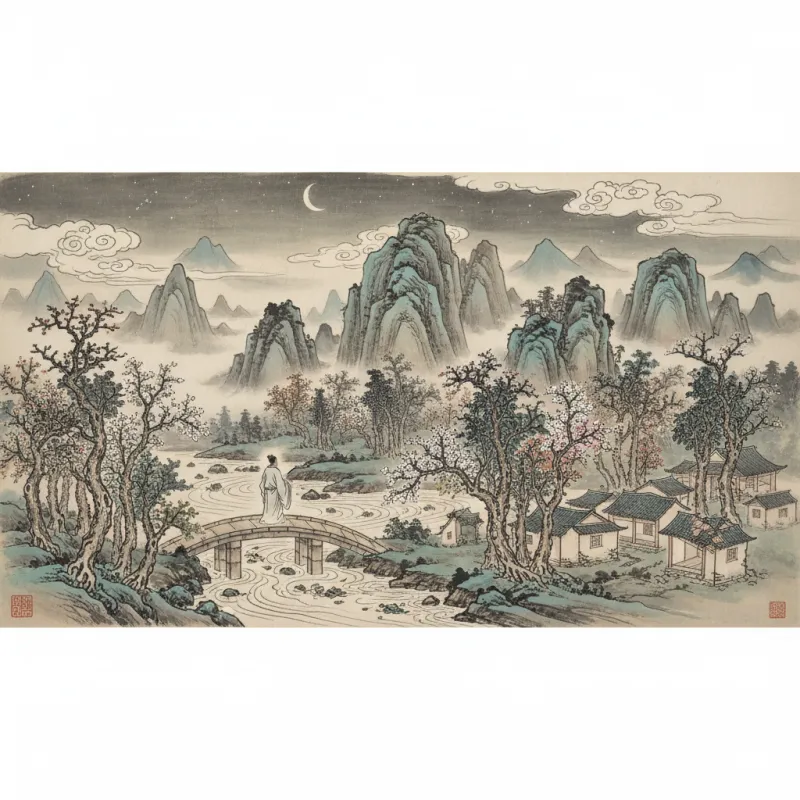
Buddhist Impermanence in Tang Poetry: Everything You Love Will Disappear
Tang dynasty poets didn't just believe in impermanence — they felt it in their bones.
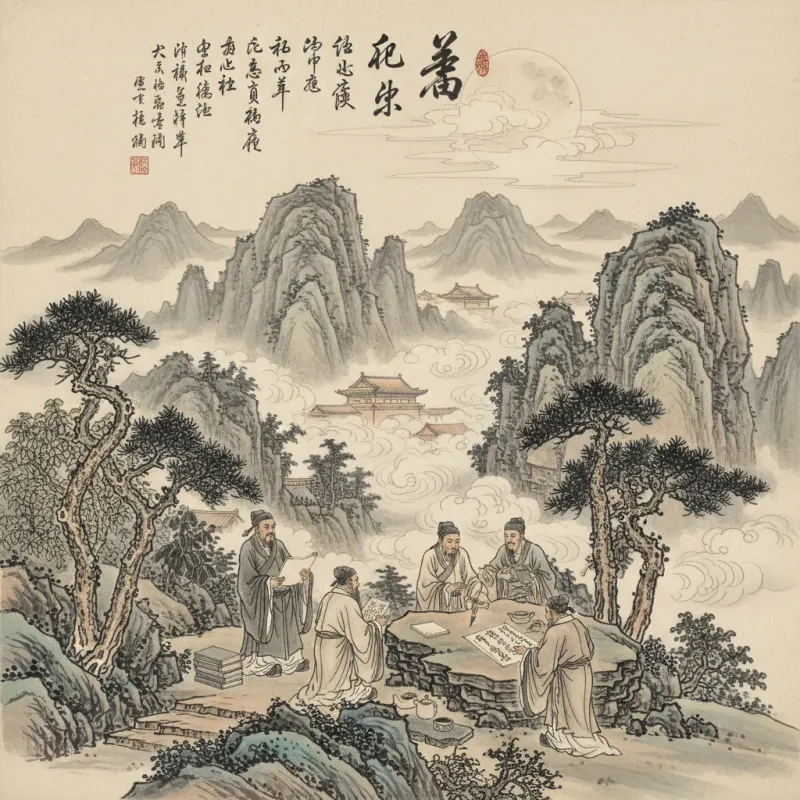
Buddhist Poetry in Chinese Literature: Enlightenment in Twenty Characters
Wang Wei meditated in verse. Han Shan wrote on cliff faces. Jiaoran debated poetry as spiritual practice.
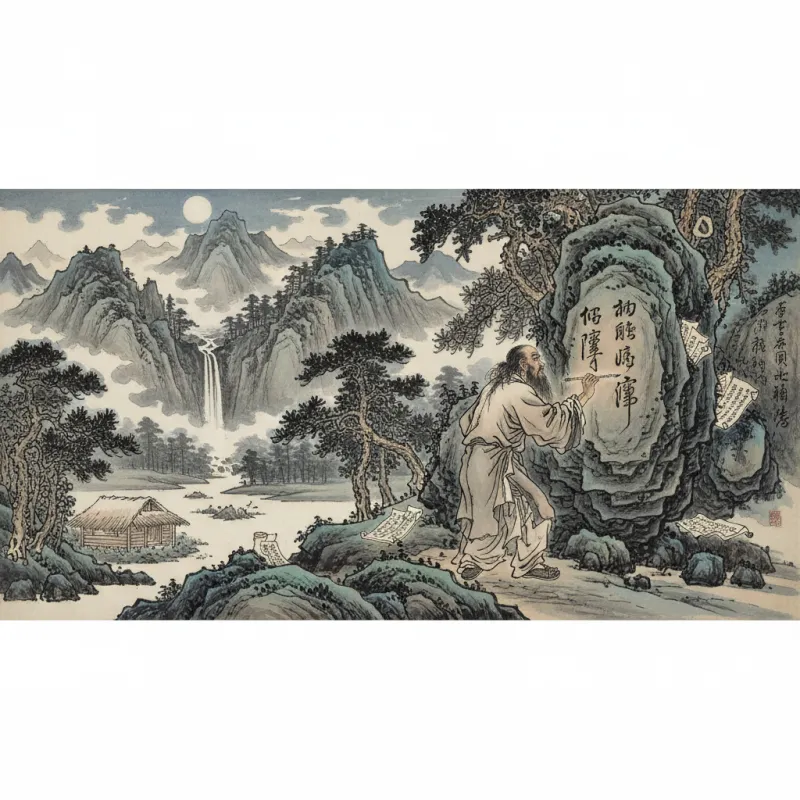
Cold Mountain Poems of Hanshan: The Hermit Who Wrote on Rocks
Hanshan vanished into the mountains and left behind 300 poems scratched on cliffs and trees. They're funny, rude, profound, and impossible to pin down.

Hanshan (Cold Mountain): The Hermit Poet of Chan Buddhism
The Hermit Poet of Chan Buddhism
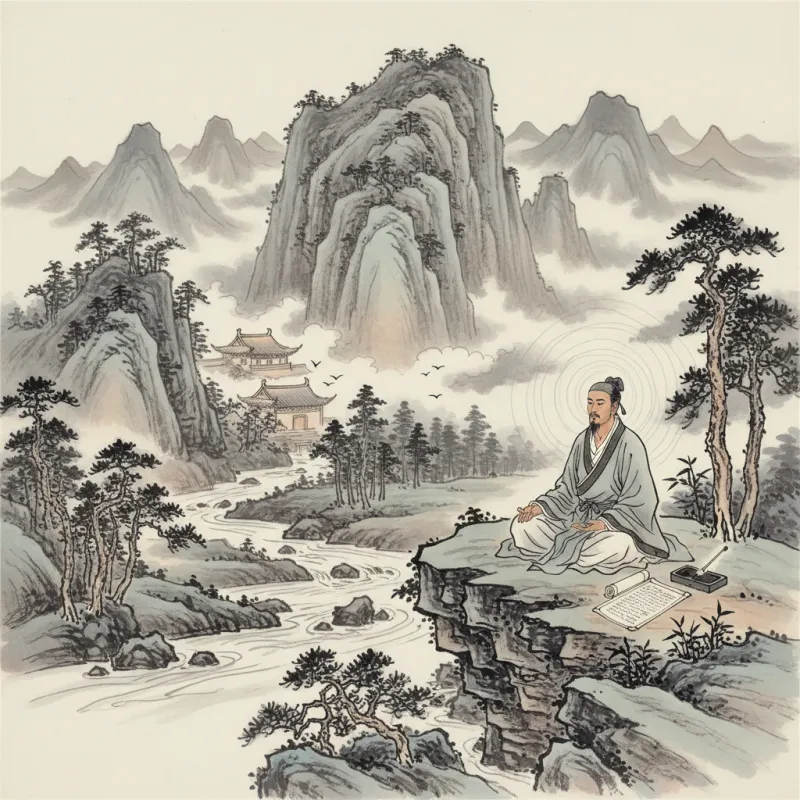
Wang Wei's Buddhist Nature Poems: Silence as Spiritual Practice
How the Tang dynasty's most contemplative poet turned mountain landscapes into meditation objects — and why his quiet verses still unsettle readers 1,300...
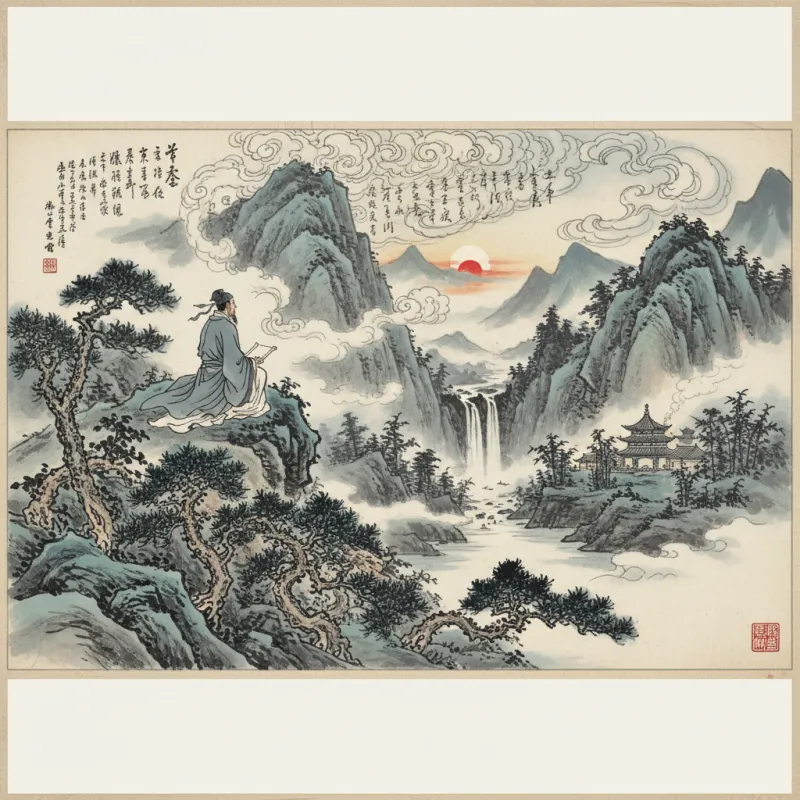
Zen Koans in Poetry Form: When Chinese Verse Became a Riddle
Chan Buddhist monks didn't just meditate — they wrote poems that functioned as koans, designed to short-circuit rational thought and trigger awakening.

Zen Poetry in China: Enlightenment in Verse
Enlightenment in Verse
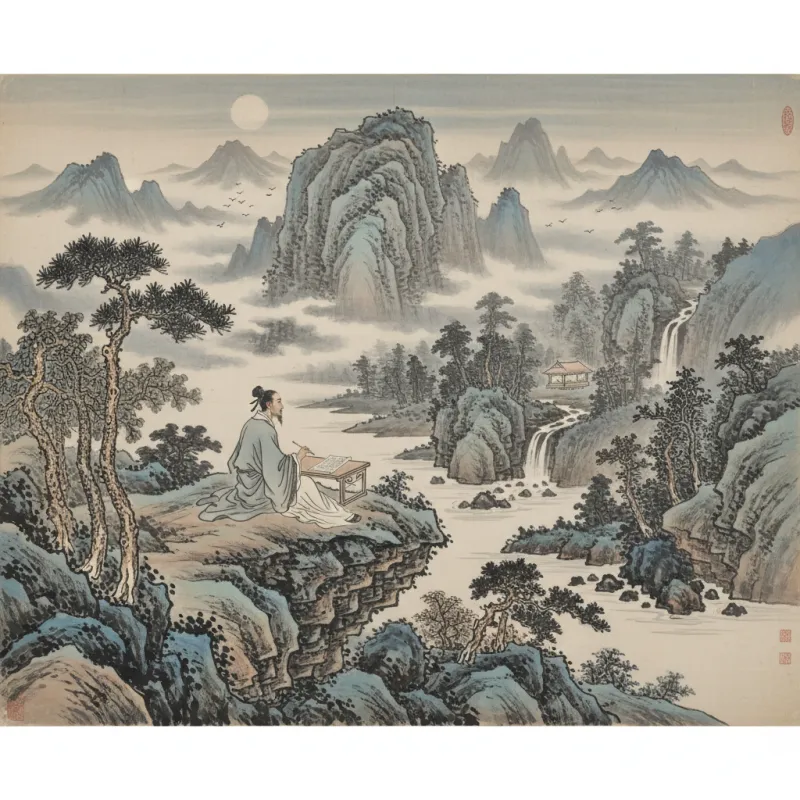
The Spiritual Depth of Chinese Classical Poetry: Insights from Tang, Song, and Yuan Poets
Explore the richness of Chinese classical poetry through the spiritual lens of Tang, Song, and Yuan poets.