Forms
Jueju, lushi, ci, and the strict forms that shaped Chinese poetic expression
9 articles

Chinese Poetry Forms: Shi, Ci, Qu & Classical Verse
Shi, Ci, Qu, and Fu: understand every Chinese poetry form with tonal patterns, rhyme schemes, famous examples, and practical tips for reading classical verse.
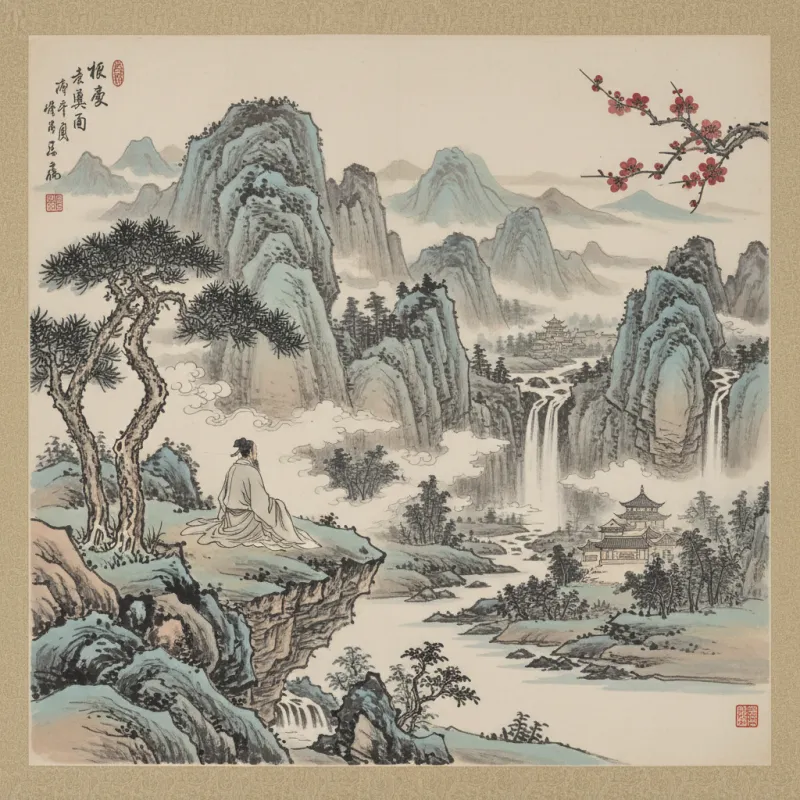
Ci (词): The Song Lyrics That Became High Art
Born in wine houses and courtesans' chambers, ci poetry evolved from popular song lyrics into one of Chinese literature's most refined art forms.
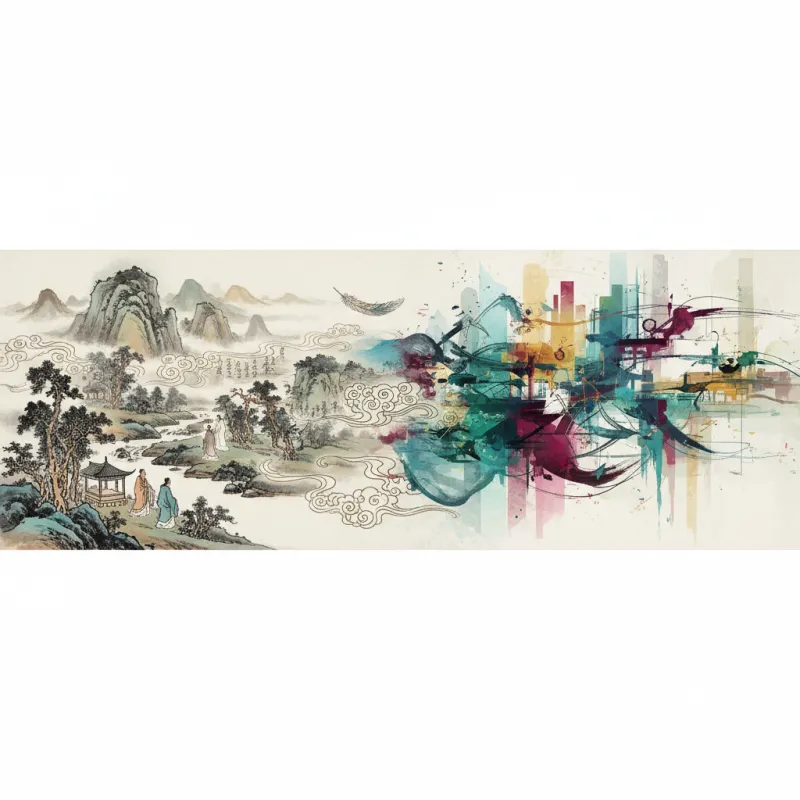
Modern Chinese Poetry: From Classical Forms to Free Verse
How Bei Dao, Shu Ting, and the Misty Poets broke free from tradition — and why some still write in classical forms.
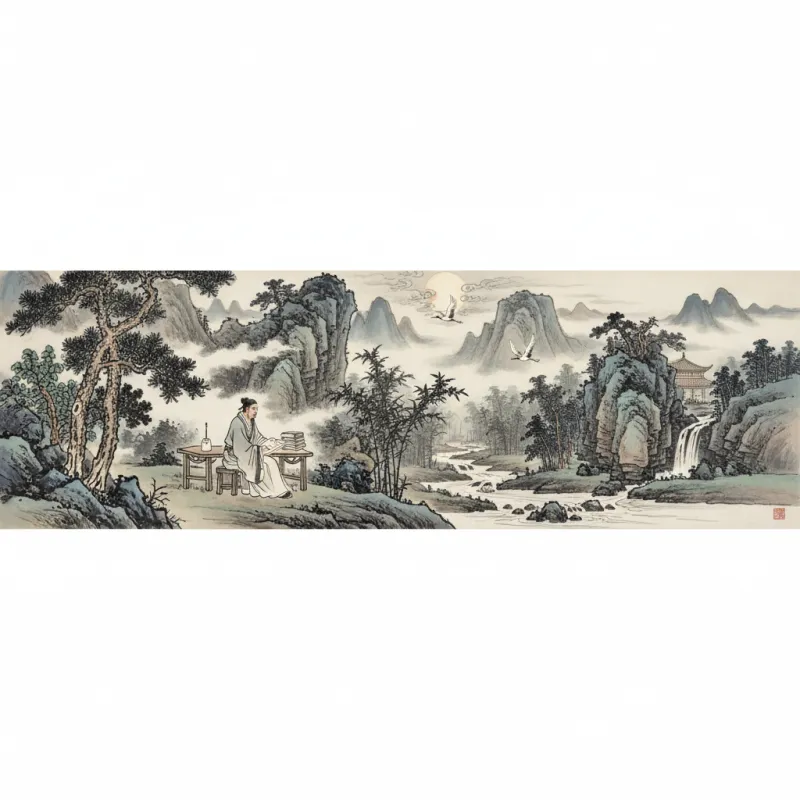
Regulated Verse (律诗): The Strictest Form in World Poetry
Eight lines, strict tonal rules, mandatory parallelism — how Chinese poets turned extreme constraint into extreme beauty.
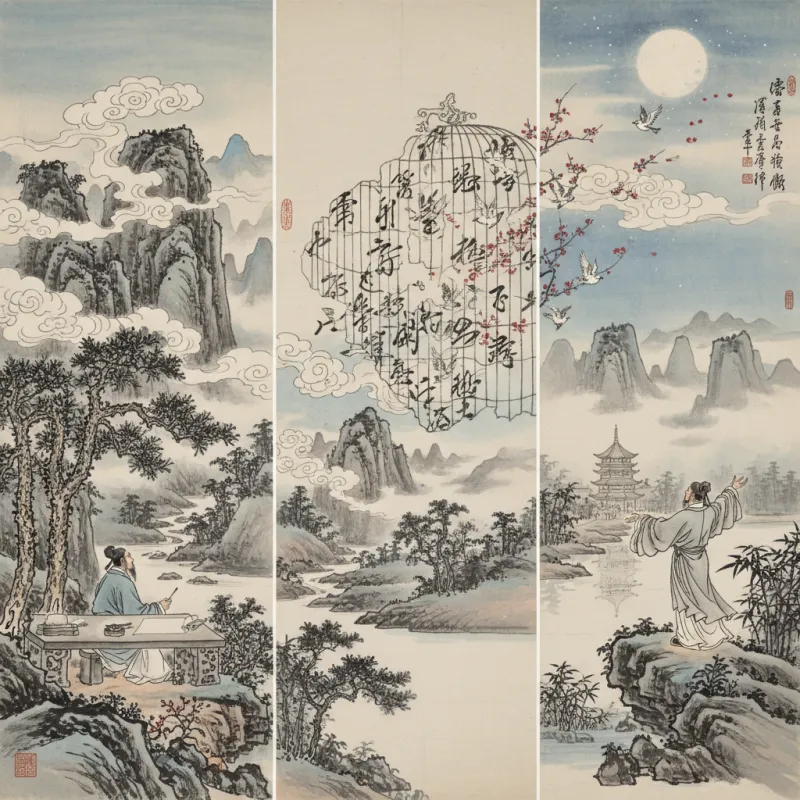
Poetic Forms in Chinese Literature: The Rules That Set Poetry Free
Chinese poetry has strict rules — fixed line lengths, prescribed tonal patterns, mandatory parallelism. These rules do not limit poets.
Poetic Forms: The Rules That Made Chinese Poetry Great
Regulated verse has strict rules about tone patterns, rhyme, and parallelism. These constraints did not limit poets — they forced them to find solutions...
Ci Poetry: When Poems Were Songs
When Poems Were Songs
Fu: The Grand Rhapsody Form
The Grand Rhapsody Form
Jueju: The Art of the Four-Line Poem
The Art of the Four-Line Poem